
Dying Light
Verdict
If you want a zombie game to run, climb and get chased through with a friend, Dying Light delivers, above all at night. If you're after a story, characters you care about or combat with some depth, it falls short.
What should you know before starting?The Following and Dying Light 2 both build on it.
Pros
- tense night chases
- parkour that sets it apart from other zombie games
- satisfying critical hits
- the Old Town map
Cons
- an underwhelming story and characters
- bland combat
- random loot and crafting
- a padded, anticlimactic ending
the night.
Dying Light is at its best at night. Getting chased through Harran in the dark is when the parkour and the world design work together the most and create some really satisfying gameplay moments. During the day the game is only mildly interesting because of the parkour. There aren’t many parkour games out there, so that alone makes it stand out, even if the movement never builds up a flow of its own.
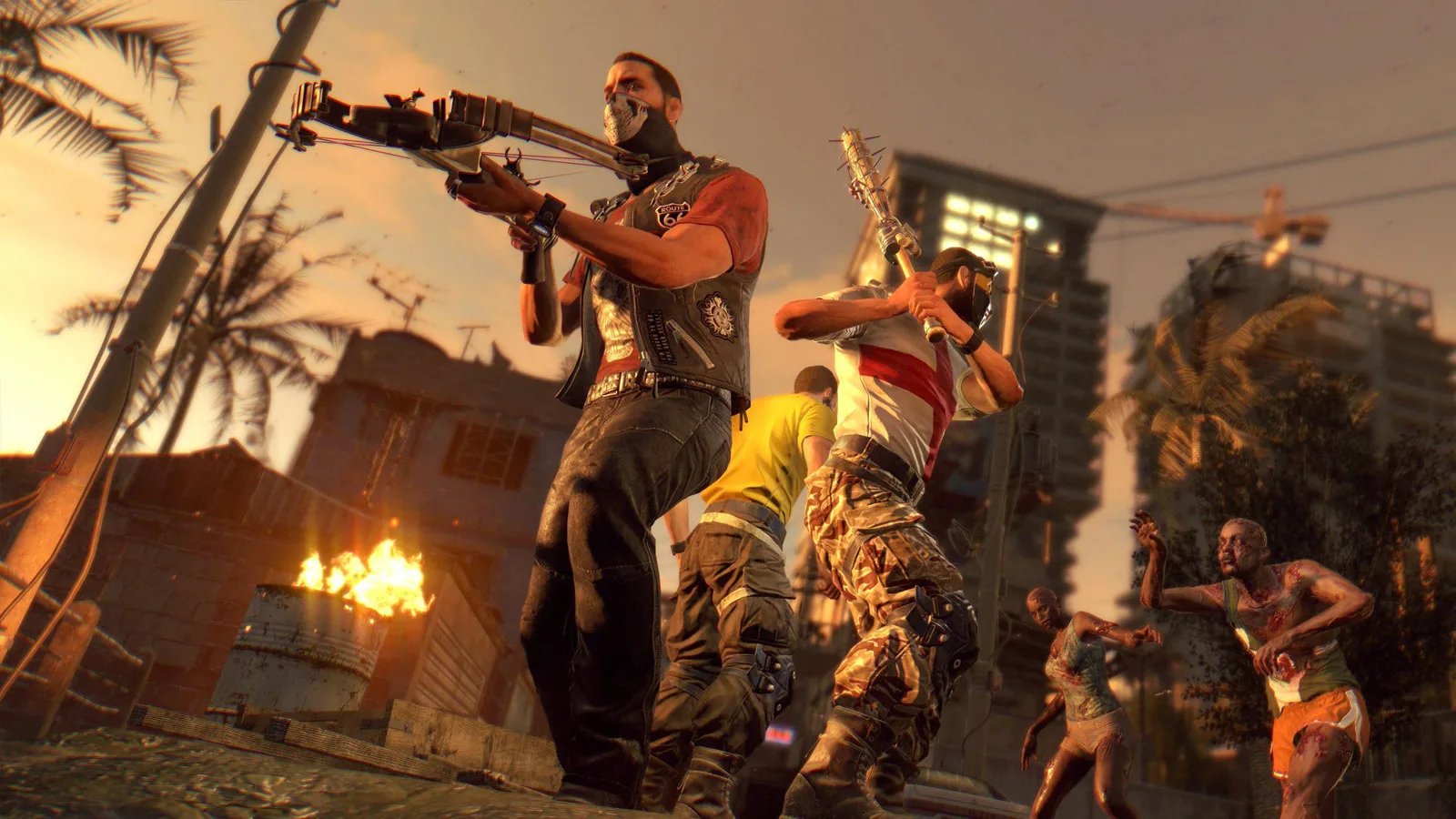
the community: the first night.
The first forced run after dark is the moment players on r/patientgamers keep coming back to. One says it scared him so much he put the game down for a while. Another says he never felt more alive than running from the Volatiles after a supply drop went wrong. A third died three times before he worked out how they track you. Others avoid the dark completely, since only a handful of story missions force you outside after sunset.
behind the scenes: thousands of hooks.
Techland’s first parkour plan was to place thousands of climb points by hand across the map. Producer Tymon Smektala says that cost too much freedom, so programmer Bartosz Kulon proposed a system that reads the level geometry and picks the climbing animation by itself. The team prototyped it on top of Dead Island and spent about two years tweaking it, partly to cure motion sickness. That is why you can climb almost anything that looks climbable.
combat.
The best part of the combat is the X-ray animation you sometimes get when you hit a zombie’s head: the game slows down and shows its skull breaking. Beyond that it feels bland. You either go for a melee weapon or a ranged one. There is no quick way to swap between them. What I missed is a loop where one action feeds into the next and lining up kills becomes rewarding. Even something simple would have done it: a ranged kill that boosts your melee and utility damage, a melee kill that boosts the other two, and so on. That would push you to juggle your weapons and make the game feel a lot more engaging without changing much about the combat itself. ULTRAKILL builds its whole combat around exactly that idea.
Guns are overpowered, and the only thing holding them back is ammo. Then again, you can buy it in shops more often than not. The gunplay itself is okay, though I missed an aim-down-sights sensitivity setting. The bow is satisfying to use, but its shots home in so strongly, especially from the hip, that it feels like a magic bullet. There’s no setting to turn that off. Together with the low enemy variety this makes the game very easy: we only died because of silly mistakes and clunky platforming.
the community: the bow that steers.
Steam players have argued about the bow’s aim since 2017. The community wiki says shots fired from the hip get a generous amount of aim assist even on PC, while aimed shots get far less. One thread describes arrows curving into the chest after a slight miss. A poster in another says the help can’t be switched off without a mod. The gamepad menu has an auto-aim toggle, but players who tried it report no change for the bow. You buy it from merchants once you reach Survivor rank 9.
loot and skills.
I would have loved a loop of looting and hunting down the materials for specific crafts. Apart from a few exceptions like food or herb spots, though, almost everything sits in chests, so whether you get what you need for a weapon, an upgrade or an item is pretty random. The skill trees didn’t matter much to me either, even though they add some new moves on top of the usual percentage boosts.
the story and its people.
The story is very underwhelming. The characters are boring and not believable, they sound way too uninterested, or just fine, to be living through a world-ending zombie apocalypse. That’s also why it doesn’t matter when someone gets killed off: you never cared about them in the first place. The side quests don’t make up for it either. Once we figured out that they are all very similar, we started ignoring them pretty early into the game.
behind the scenes: the story was thrown out.
According to the game’s development history, once the parkour system worked, enemies could no longer spawn out of nowhere, because players reach any spot from many directions. Techland reworked its AI, animations and HUD around that and dropped most of its story and quest ideas to start again. It brought in Dan Jolley, an American writer who has worked for DC Comics, to flesh out the side stories. He ended up helping with the main story too.
the world.
I loved Old Town. And the Slums were okay for the start. Still, the game doesn’t do a lot with its world. Apart from it being a parkour game, I don’t really understand why it needed to be open world, because parkour on its own isn’t enough to make an open world feel worth investing in.
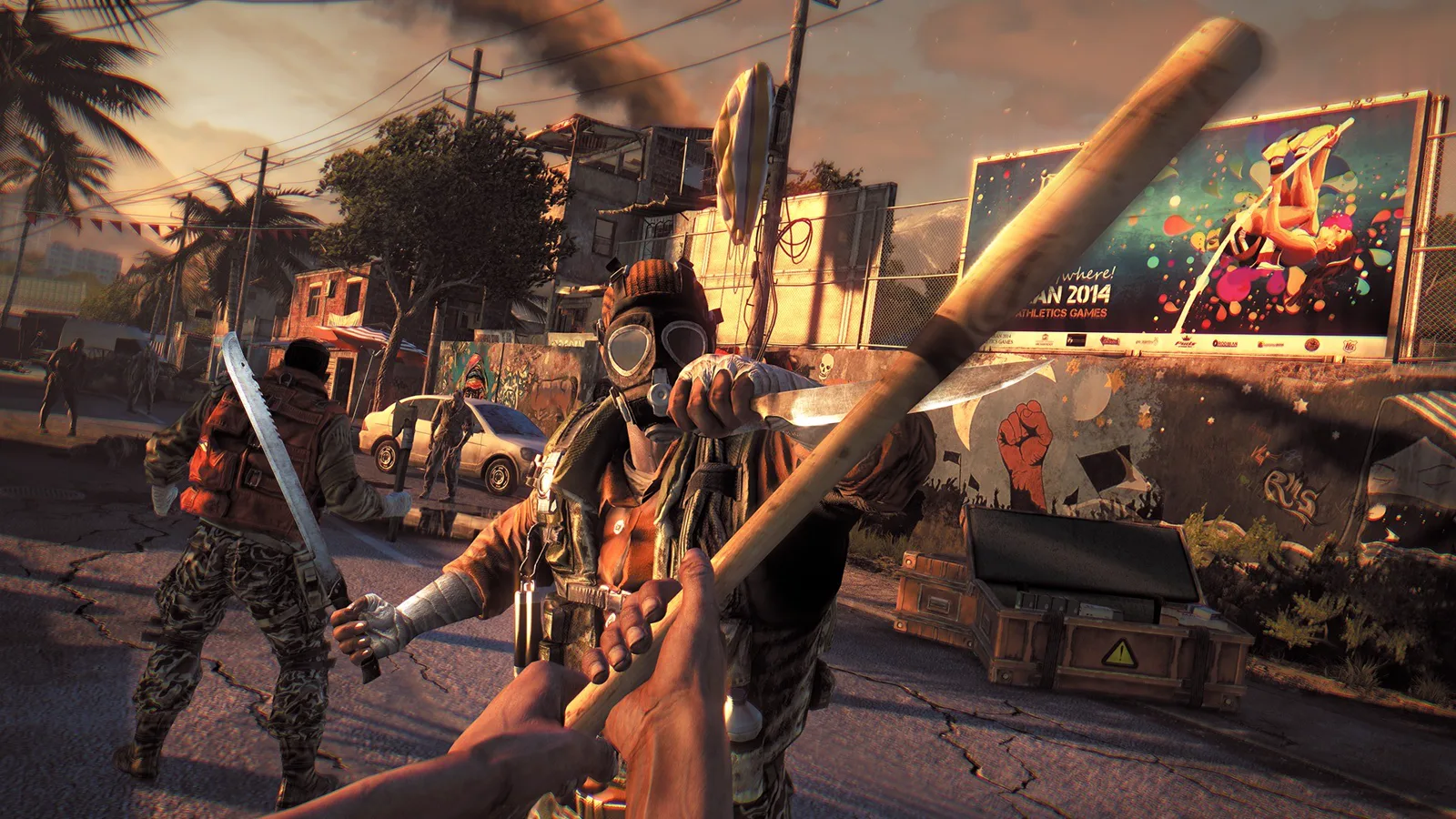
behind the scenes: a city built from windows.
Smektala says Harran isn’t a copy of any real city. Techland borrowed from Mumbai’s Dharavi district, Istanbul, Brazil’s favelas and the old town of Wrocław, the Polish city the studio is based in. The team picked places with lots of openings like windows and interiors, because those turn into parkour routes.
the last stretch.
Towards the end the game turns into Running and Climbing Light, which was very annoying and felt like it just wanted to stretch out that last bit. The finale then sends you back into the sewers, an area we had already been in, instead of a bigger and louder place that would have stuck in my mind. On top of that, the last mission can only be played alone. After a whole campaign in coop that felt anticlimactic. So did the final scene being a QTE.
the community: the last mission is solo.
The final story mission can only be played in single player, so coop groups get split up right before the end. One r/patientgamers commenter who played the whole game with a friend called it the worst mission design possible. The two of them raced each other through it over voice chat. The mission ends in a quick time event. Players in several threads call it the one black mark on an otherwise great game.
how it looks.
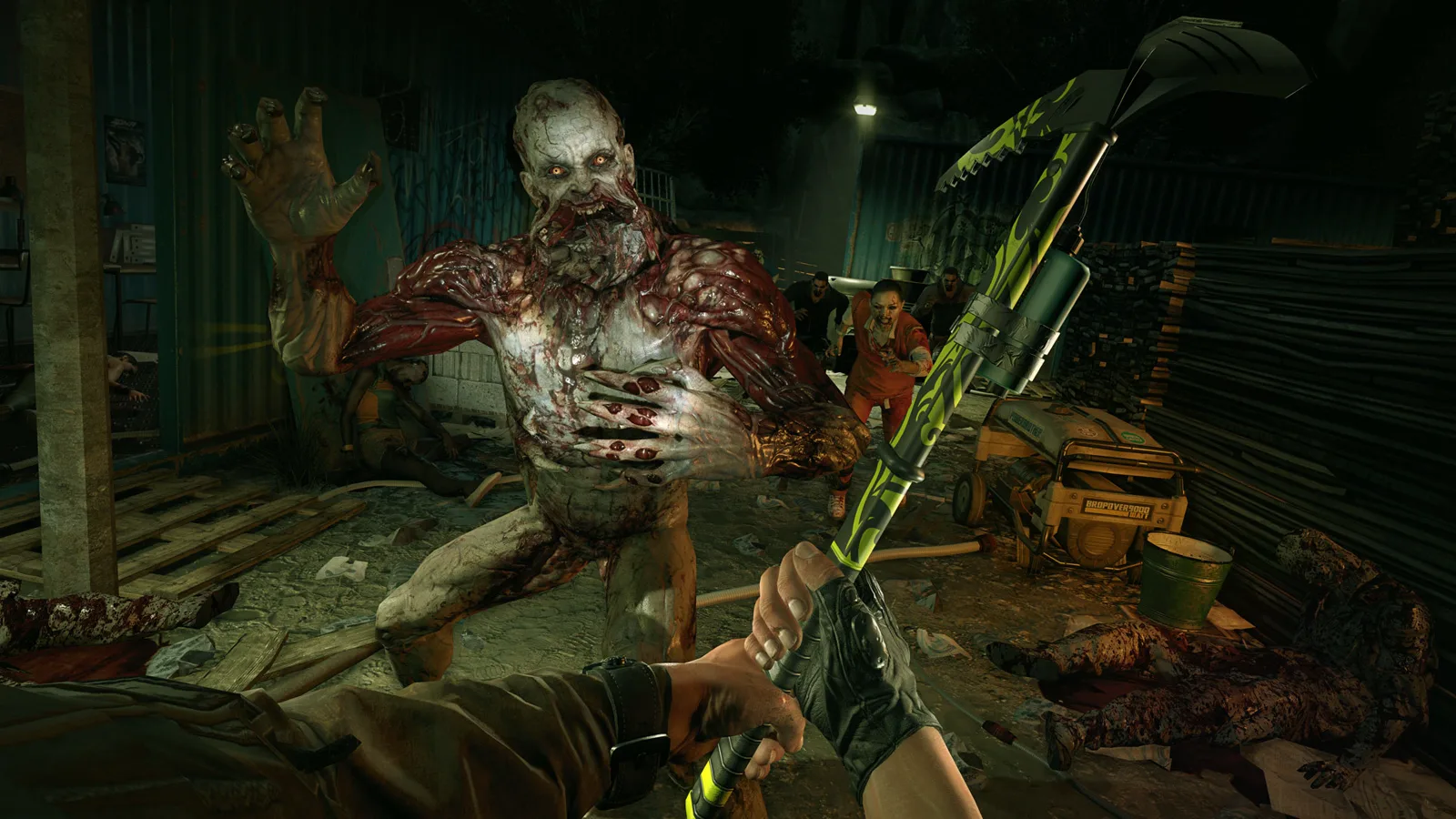
Visually the game is best in grimy abandoned facilities with just a flashlight. Outside of those the visuals have aged already. Fire, lens flares and other light sources are way too bright (maybe I messed up a setting there). That really tanked the immersion for me sometimes. The character animations and voice syncs are good in the best story cutscenes but fall short everywhere else.
the rest.
The sound effects are pretty good, but I don’t like the voice actors’ job, and the OST leaves a lot of potential open. Performance was fine apart from some minor glitches here and there. I think it would have been hard for me to finish this game without coop, so that’s a bad sign for the game.
behind the scenes: hellraid was a game of its own.
Techland announced Hellraid in 2013 as a separate first-person fantasy game about cutting through hordes from Hell, then put it on hold in 2015 to focus on Dying Light. In August 2020 it came back as a mode inside Dying Light: an arcade cabinet in the basement of the Tower opens a portal to a dungeon. There you swap pipes and boards for broadswords and maces.
Images: Techland (Steam screenshots).